
Which Material Is Right for You?
Whether you're renovating your kitchen or designing one from scratch, the most important decision you'll need to make is choosing your kitchen countertop. A countertop doesn't just define the visual identity of your kitchen — it's the most functional area in the room, tested daily by cutting, chopping, hot pots, and liquid spills.
So how do you choose the right kitchen countertop for your home and lifestyle from hundreds of options? In this guide, we examine the pros and cons of popular countertop materials.
4 Criteria to Consider When Choosing a Kitchen Countertop
Before investing in a countertop, ask yourself these questions:
Durability: How resistant is it to scratches, impacts, and high heat?
Hygiene and Maintenance: Does it stain? Does it require special polishing or annual maintenance?
Aesthetics: Does it suit your kitchen's style (modern, classic, country)?
Budget: Will it last long enough to justify what you pay in the long run?
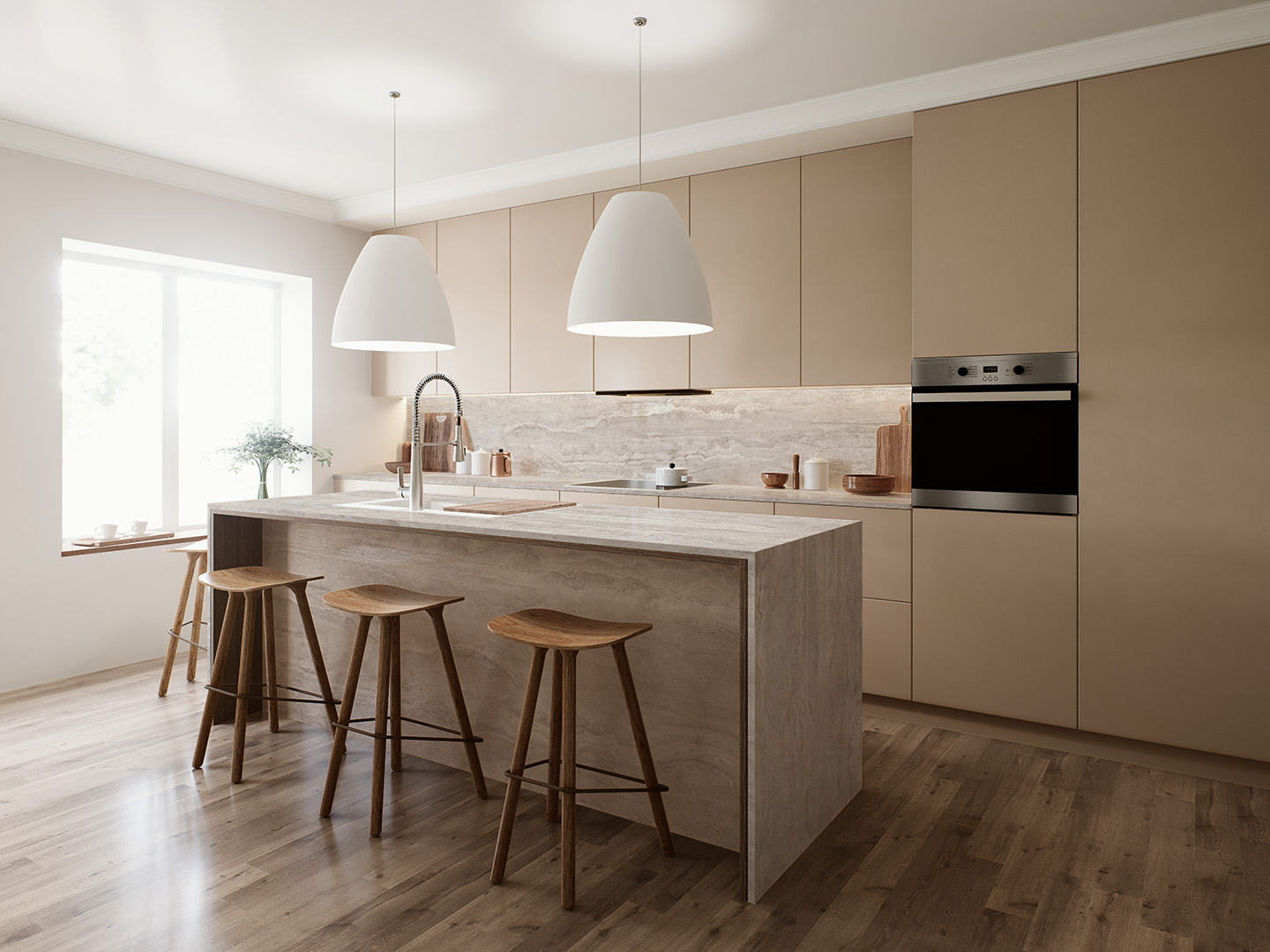
Popular Kitchen Countertop Materials and Comparison
1. Quartz Countertops (Most Popular and Functional Choice)
Produced by combining natural quartz minerals with resins using advanced technology. Quartz surfaces, pioneered today by brands such as Coante, are the most preferred material for modern kitchens.
Pros: Thanks to its non-porous structure, it does not harbor stains or bacteria and does not absorb liquids. High resistance to scratches and impacts. Unaffected by acidic substances like lemon, vinegar, or coffee. Offers hundreds of color options, from genuine marble vein effects to minimalist flat tones.
Cons: Placing very hot pots directly on the surface (without a trivet) is not recommended.
Who Is It For? Ideal for families with heavy kitchen use who care about hygiene, love to cook, and want something that "stays like new for years without fussing over maintenance."
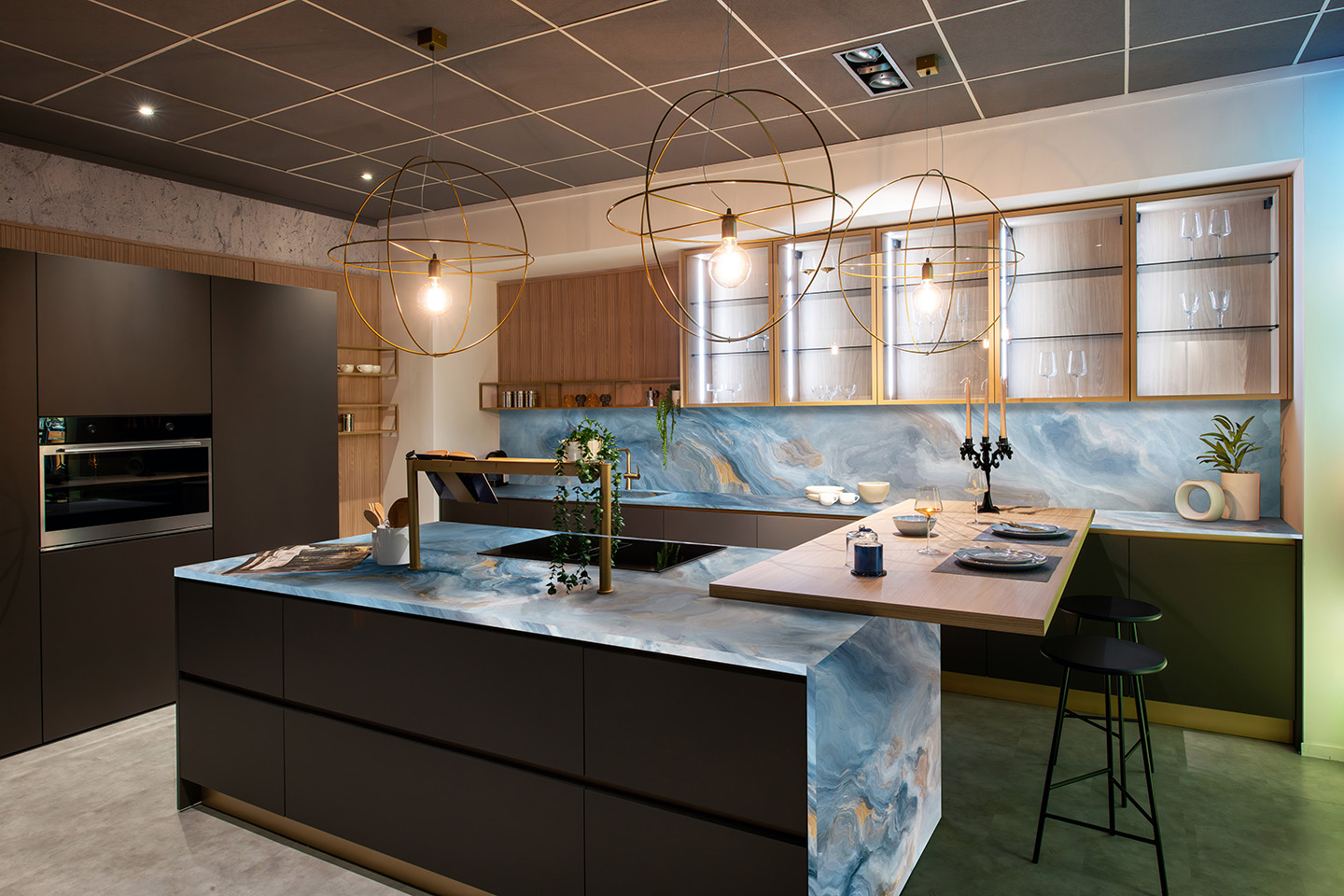
2. Natural Marble and Granite Countertops (Classic and Natural)
Raw stones cut directly from nature. They add a natural feel to the kitchen.
Pros: Granite is very resistant to heat. Since each slab is unique in nature, it has a completely personal, inimitable pattern.
Cons: Marble is a very porous and soft stone. When lemon, wine, or tea is spilled on it, it absorbs instantly and leaves permanent stains. It scratches easily. Both marble and granite must be polished periodically with special chemicals to seal their pores.
Who Is It For? For users who appreciate the imperfections and lived-in feel of natural stone and don't mind regular maintenance.
3. Solid Wood Countertops (Warm and Country Style)
The choice for those who want a warm, Scandinavian, or rustic feel in the kitchen.
Pros: Instantly adds warmth and a welcoming character to the space. When scratched, it can be sanded and re-polished to extend its life.
Cons: Extremely sensitive to water and moisture; it can darken and swell around the sink area. Deep knife marks remain if things are cut directly on it. Needs to be oiled regularly every year.
Who Is It For? For those who use the kitchen more as a visual social space than an intensive cooking area.
4. Porcelain Countertops (High Heat Resistance)
Next-generation surfaces produced by firing clay and natural minerals at very high temperatures.
Pros: The material with the highest heat resistance — hot pots can be placed directly on it. Unaffected by UV rays and does not stain.
Cons: Since slab thicknesses are generally thin, corners and edges are vulnerable to hard impacts. A heavy pot hitting the edge can cause chipping. Labor and material costs are high.
Who Is It For? For modern design enthusiasts who put heat resistance above all else.
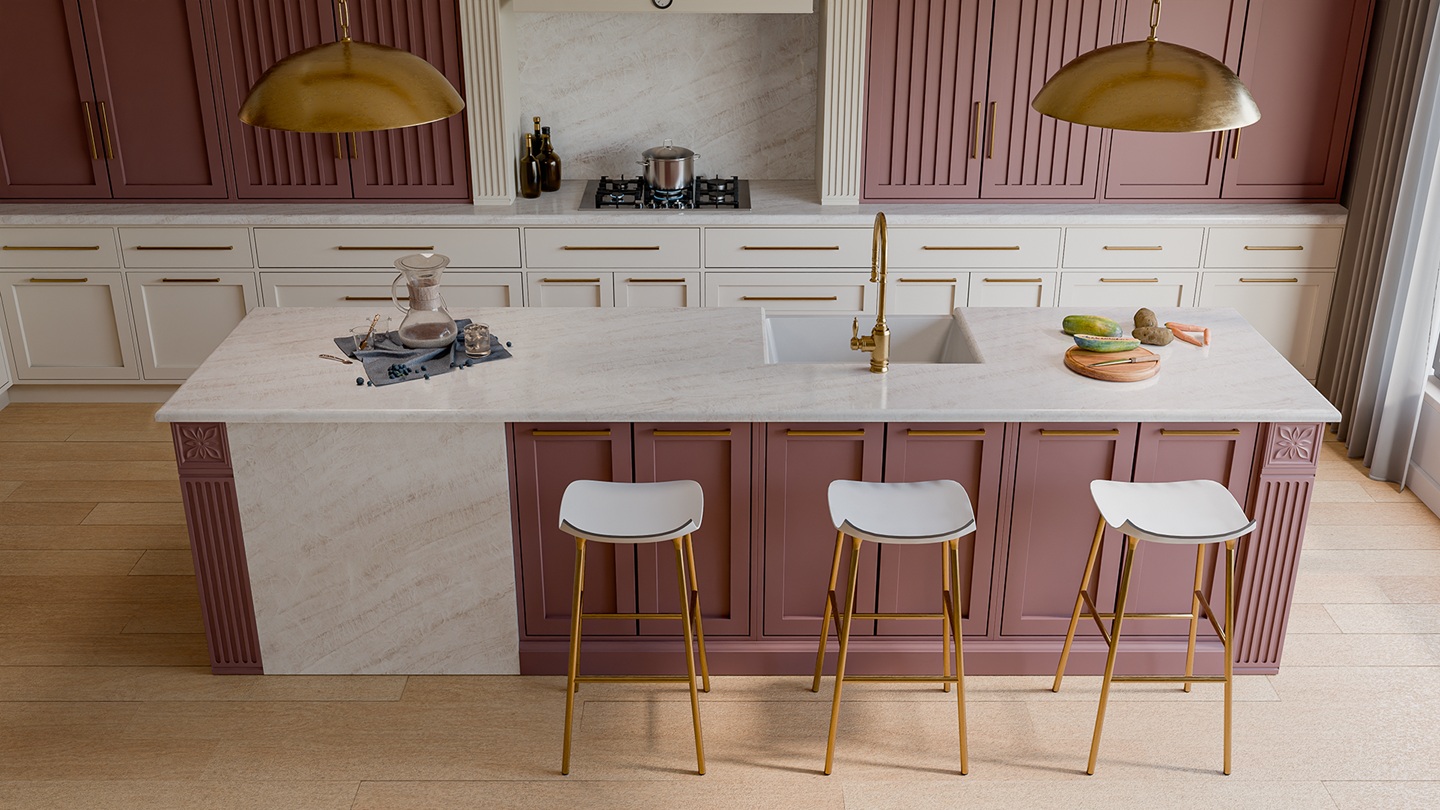
Which Countertop Should You Choose?
If you're looking for the right balance of price, performance, hygiene, and long-term durability, quartz countertops are today's most flawless option. If you want the noble, veined look of real marble without the staining and scratching disadvantages, you can explore Coante's extensive product range to make the best investment for your kitchen.