Choosing the right kitchen countertop is not just about aesthetics — durability, ease of use, and longevity are equally important factors.
The kitchen is one of the most frequently used areas in the home. It's where we prepare meals, sip our coffee and chat — a space we come into contact with countless times throughout the day. The kitchen countertop is one of the most important elements of this space. Choosing the right countertop matters not only aesthetically, but also in terms of ease of use and longevity.
A kitchen countertop is exposed to heat, water, moisture, scratches, and impacts. The material chosen must therefore be durable. Thinking long-term helps avoid deformation and unexpected costs down the line.
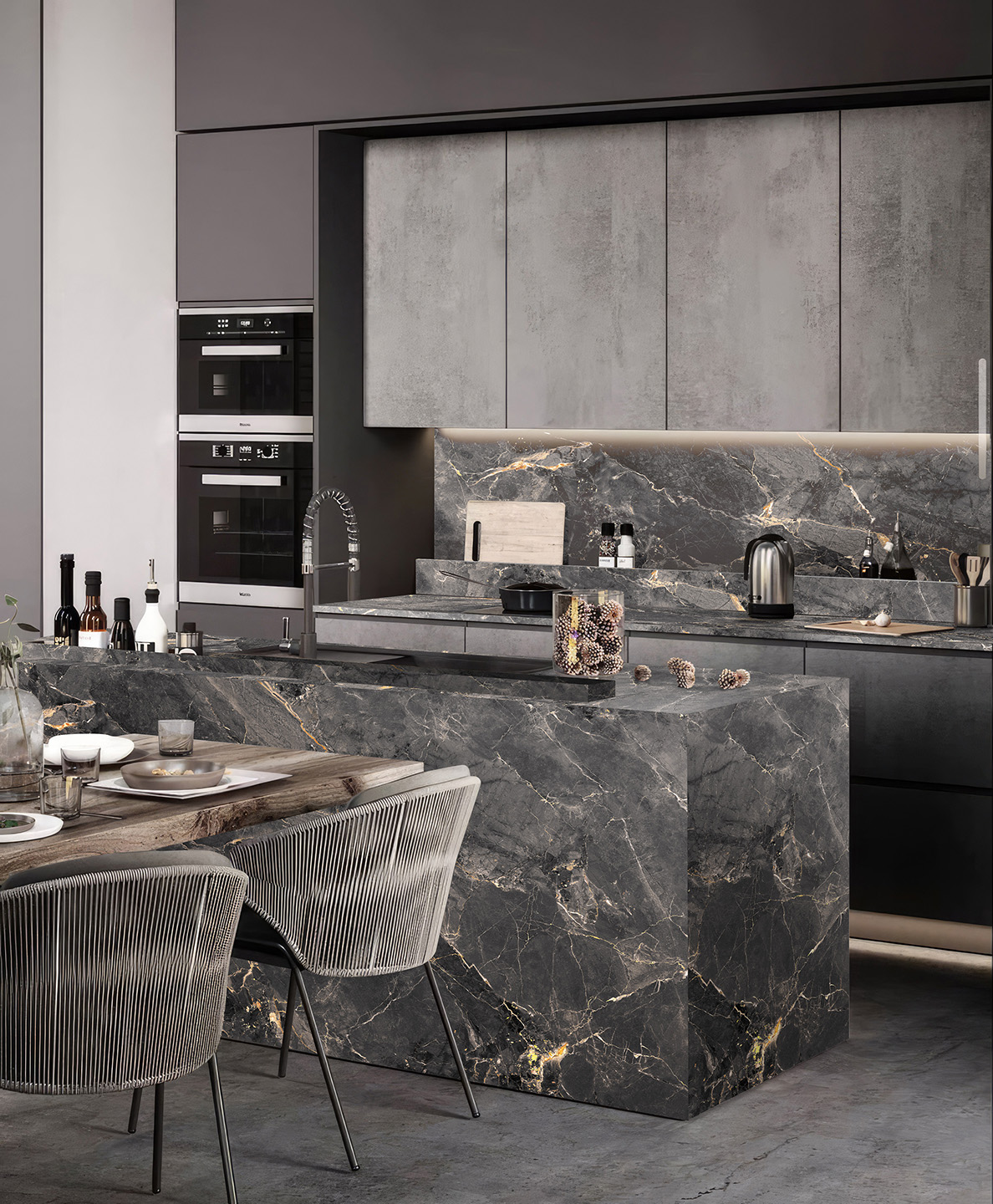
There are many types of countertops on the market. The most common options include quartz, granite, marble, and porcelain.
-Quartz Countertop
Quartz countertops have become very popular in recent years. They are hygienic thanks to their resistance to staining and non-porous structure. They come in a wide range of colors and patterns, are easy to maintain, and do not require regular polishing. Thanks to the hardness of the natural quartz element, composite quartz slabs offer high resistance to impacts, scratches, and stains.
-Granite Countertop
Granite is a good alternative for those who love natural stone. It is extremely durable and heat-resistant. However, as a natural material, it may require regular maintenance.
-Marble Countertop
Marble offers an elegant and timeless look, and is particularly preferred in classic and luxury kitchen designs. However, it can be sensitive to acidic substances and carries a risk of staining.
-Porcelain Countertop
Porcelain countertops, which have grown in popularity in recent years, are highly resistant to high temperatures and scratches. They are UV-resistant, so colors do not fade. Thanks to their non-porous structure, they are hygienic.
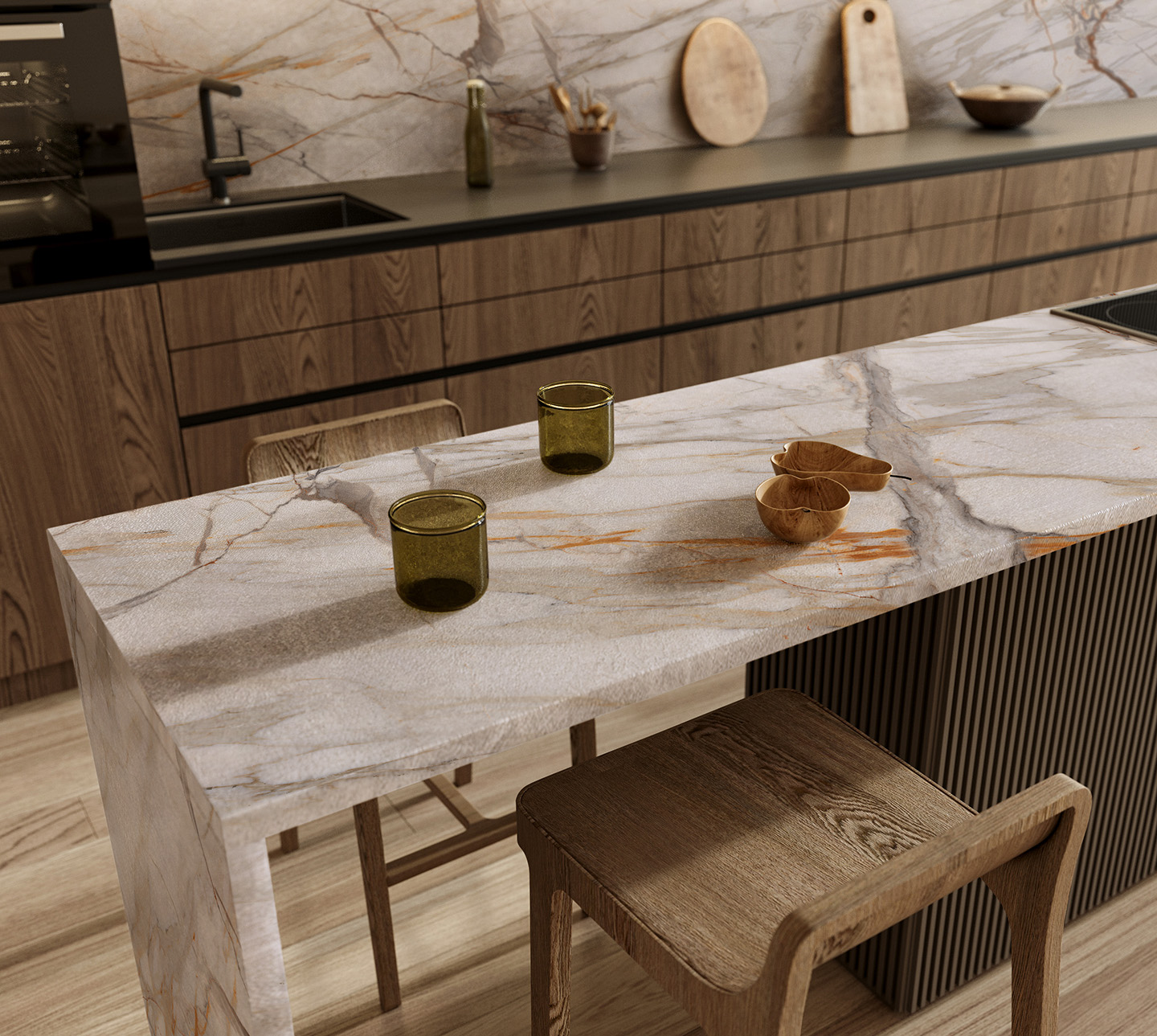
The countertop is one of the most powerful elements that defines the overall feel of a kitchen. It should be chosen to complement the cabinet color, floor covering, and wall tiles. In small kitchens, lighter countertops make the space feel more open, while darker tones can create a strong character in larger kitchens.
4. Ease of Care and Cleaning
It's important to choose a surface that won't exhaust you during daily cleaning. Practical cleaning is a major advantage, especially for families with children.
5. Don't Forget Budget Planning
When choosing a countertop, it's necessary to account for not just the price per square meter, but also installation, cutting, shipping, and potential maintenance costs.
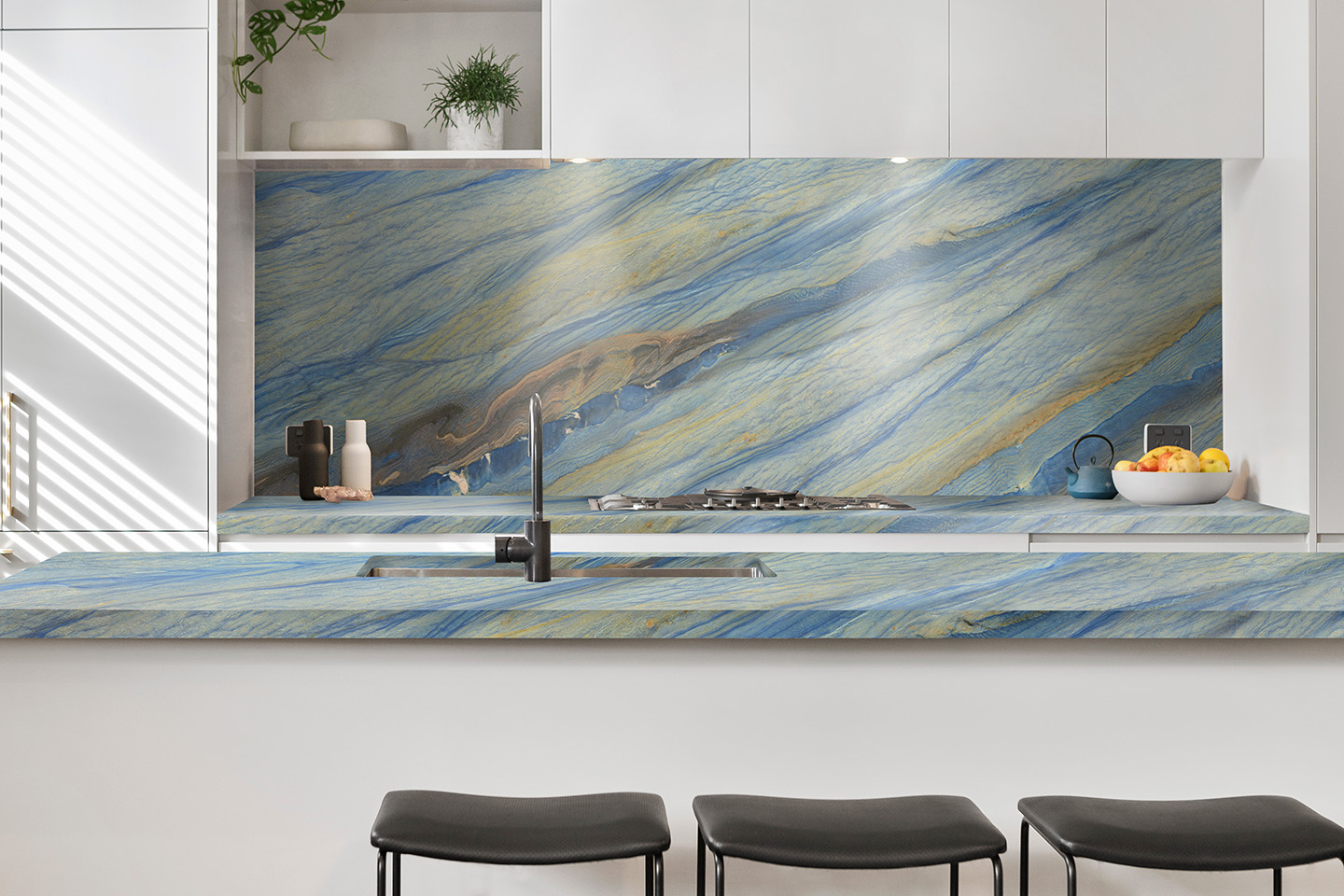
No matter how high-quality the material you choose, incorrect measurement and installation will mean you won't get the results you want. Working with an expert team is therefore important for long-term, reliable use.
Choosing a kitchen countertop isn't just about picking what looks good. Durability, usage habits, ease of maintenance, budget, and aesthetic harmony must all be evaluated together. The right countertop transforms your kitchen into a space that is both functional and enjoyable to use.